The Silence of the High Dolomites: An Autumn Odyssey
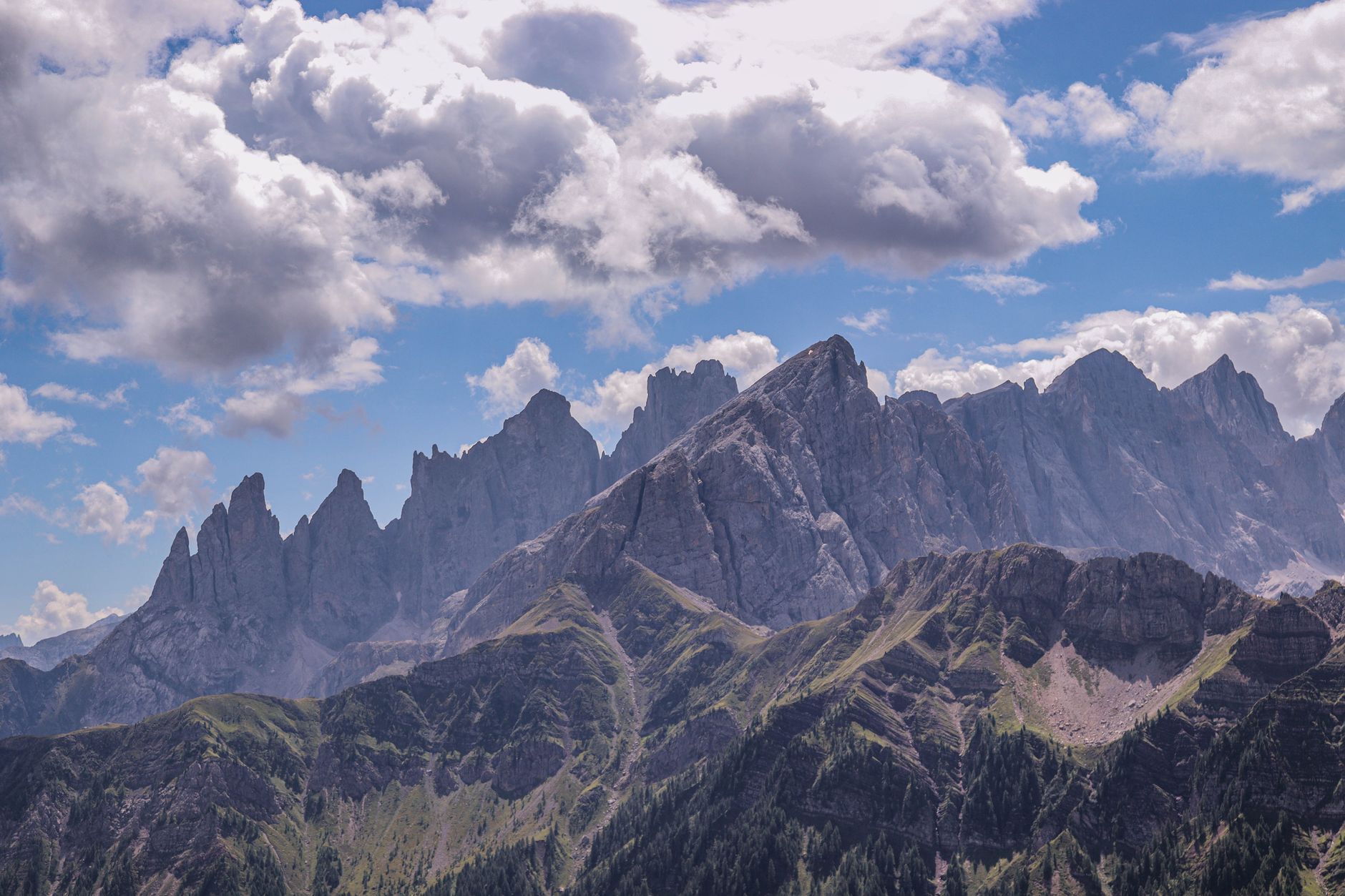
When the crowds of August evaporate from the Val Gardena, the high alpine air turns crisp and immaculate. The jagged towers of Tre Cime di Lavaredo and the jagged crest of the Pale di San Martino take on an entirely different persona—one stripped of theatrical fanfare, anchored firmly in elemental stillness.
The Geometry of Pale Stone
Dolomitic limestone possesses a rare mineral radiance, famously called 'enrosadira'—the gentle pink flush that blankets the cliff faces during the onset of twilight. Walking through the upper meadows of the Alpe di Siusi when the larches have shifted from green to molten copper is a study in sensory restraint.
"True mountaineering in the late season is not about conquest, but about listening to the wind passing through stone cracks."
Rifugio Hospitality & Simple Sustenance
At these elevations, nourishment is an act of grounded communion. In the remote rifugios that remain open past the first dusting of frost, wooden hearths crackle with larch logs. An earthen bowl of canederli in steaming broth, followed by local mountain speck and wild bilberry preserve, provides not just calories, but an indelible link to centuries of Ladin pastoral grit.
- Optimal timing: Late September through mid-October for amber larch forests.
- Gear considerations: Windproof outer shells and thermal base layers as temperature plummets rapidly post-sunset.
- Mindful practice: Keep devices packed away; embrace the sound of boot soles on dry limestone pebbles.
As we descended back into Cortina d'Ampezzo, the shadows elongated over the valley, sealing the crags into nocturnal quiet. This is the pace 111111 advocates: an expedition measured not by the summit count, but by the resonance of memory left undisturbed.