In Search of Wabi-Sabi: Traditional Tea Pavilions of Kyoto
Entering a classic chashitsu (tea room) requires bowing one's head through a deliberate crawl-way known as the nijiriguchi. Regardless of worldly rank, every visitor enters on equal terms. In the quiet foothills of northern Kyoto, this ancient egalitarian tradition persists behind sliding paper shoji screens.
The Architecture of Impermanence
Unlike Western monuments carved to withstand eternity, Japanese tearooms honor the beauty of natural aging. Unfinished cedar posts retain their natural bark curves, clay walls reveal subtle dried straw fibres, and tatami mats release the mellow, herbal fragrance of dried rushes.
"Wabi-sabi does not point to imperfection as a flaw, but as the unmistakable signature of life unfolding over time."
The Ritual of One Encounter, One Lifetime
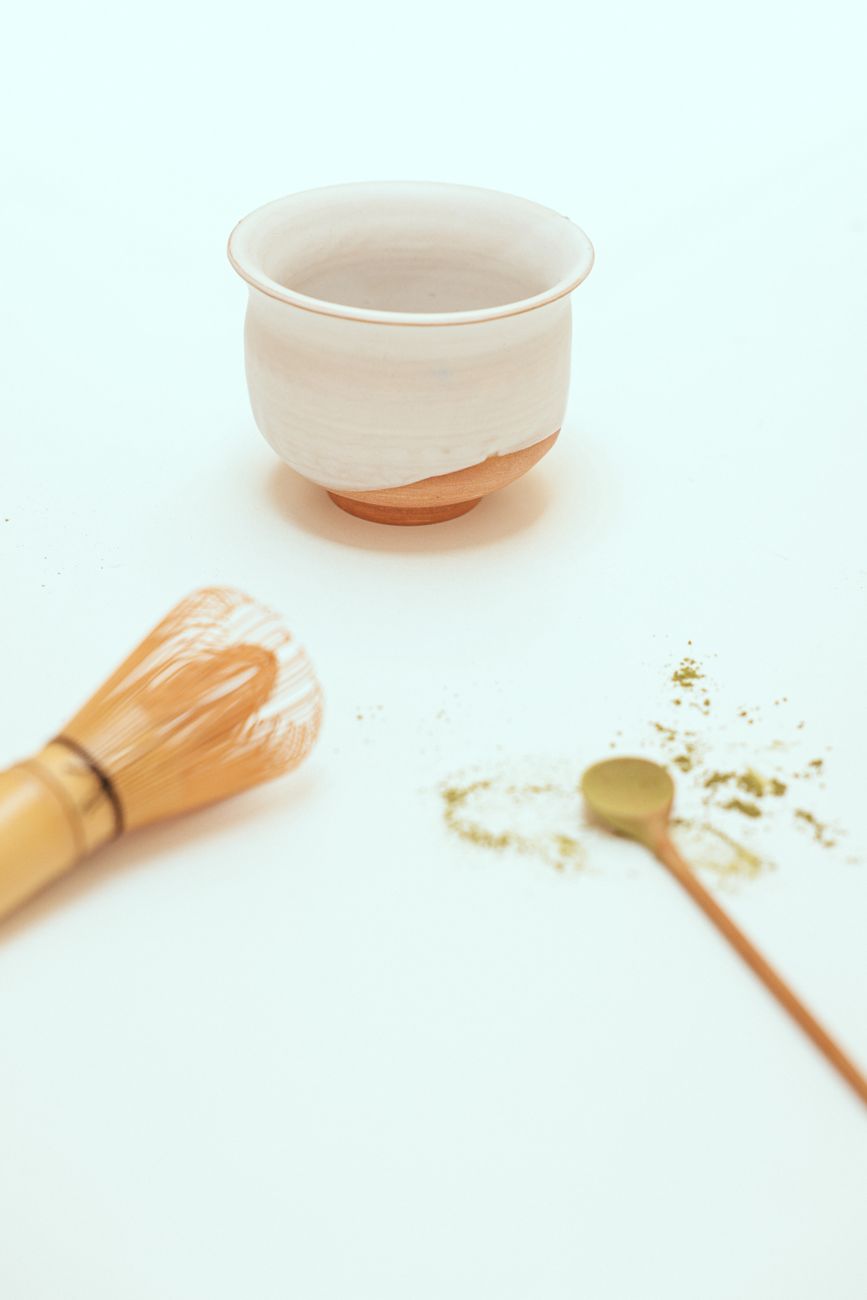
The philosophical core of the Japanese tea ceremony is captured in the phrase *ichigo ichie*—treasuring the unrepeatable uniqueness of the present moment. The sound of water boiling in an iron kettle (kama), the rhythmic whisking of bright green matcha with a carved bamboo chasen, and the delicate presentation of seasonal wagashi turn hospitality into living meditation.
- Recommended districts: Northern Uji along the riverbanks, and Daitoku-ji temple precincts in Kyoto.
- Etiquette notice: Remove footwear immediately at the genkan and wear white cotton socks on tatami.
- Craft spotlight: Raku-ware ceramic bowls shaped entirely by hand without a potter's wheel.
When we depart the garden gate (roji), the noise of the contemporary city returns gradually. Yet something profound has shifted: our perception has slowed down enough to notice the rain falling upon moss.